
Clamence's Self-Love and Its Collapse
The FallTraces the arc of Jean-Baptiste Clamence's narcissism, from its peak to its transformation into the judge-penitent's self-accusation.
increasing Bearing strength in each event
 decreasing
Bearing strength in each eventdecreasingThe Adoration of Self
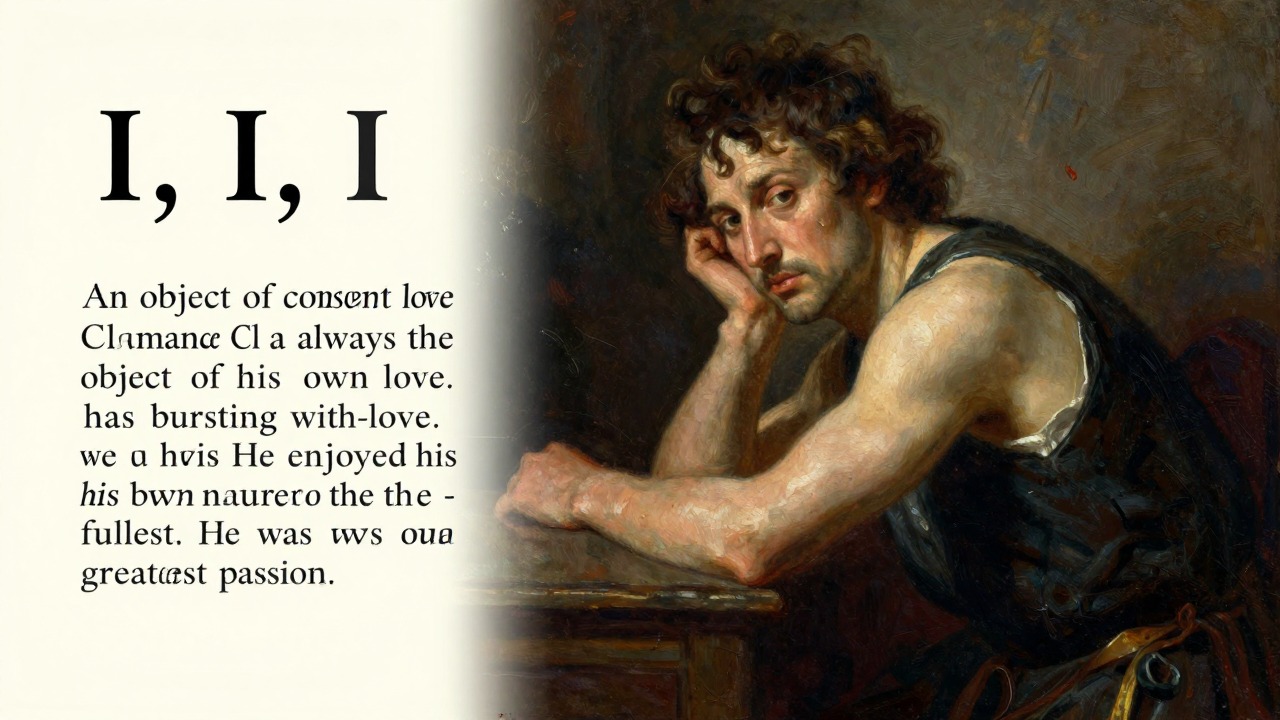
The great love of his life
An object of constant love
Clamence was always the object of his own love. He was bursting with self-love. He enjoyed his own nature to the fullest. He was his own greatest passion.
The refrain of I, I, I
His whole life was a refrain of "I, I, I." He lived on the surface, never really connecting with others. He was a narcissist, but he didn't see it as a flaw. He saw it as harmony.
The Need for Love
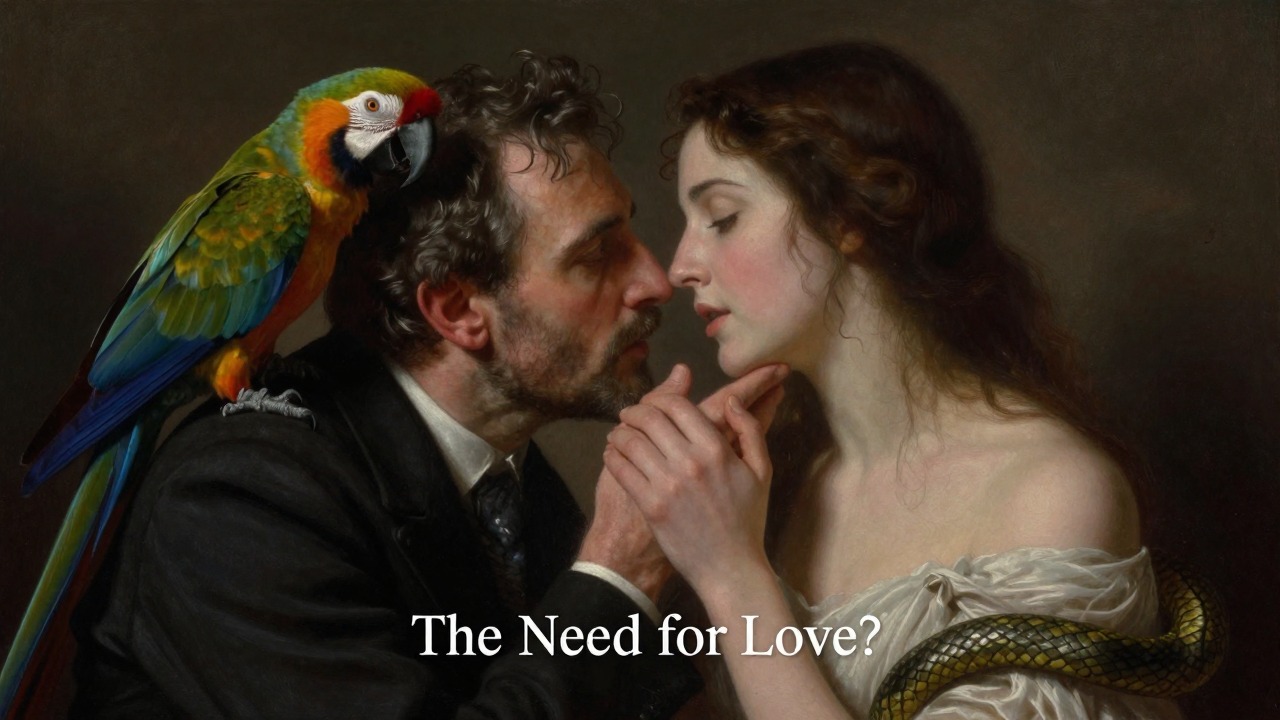
The search for external love
A hidden suffering
Clamence felt a need for love, a secret suffering. He tried to be in love, but he was acting. He asked "Do you love me?" and found himself trapped.
The parrot and the serpent
He pursued a woman who spoke of true love as an intellectual, but she was a parrot. When he had her, she was a serpent. He could not love anyone but himself. His self-love was a barrier to real connection.
The Debauchery as Substitute
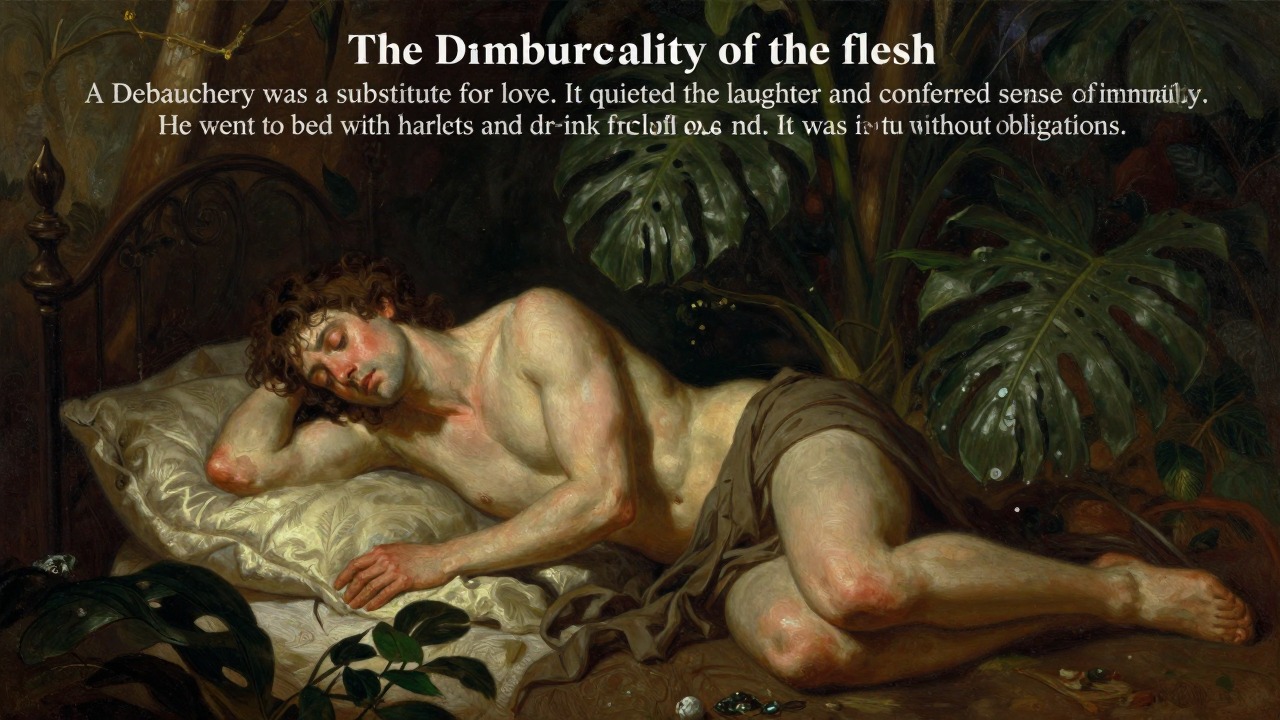
The immortality of the flesh
A substitute for love
Debauchery was a substitute for love. It quieted the laughter and conferred a sense of immortality. He went to bed with harlots and drank for nights on end. It was a jungle without obligations.
The self-love persists
But even in debauchery, he was loving himself. He was the great lover of his own person. The prostitutes and the alcohol were tools for his own pleasure. He was still the center of his universe.
The Transformation into Judge-Penitent
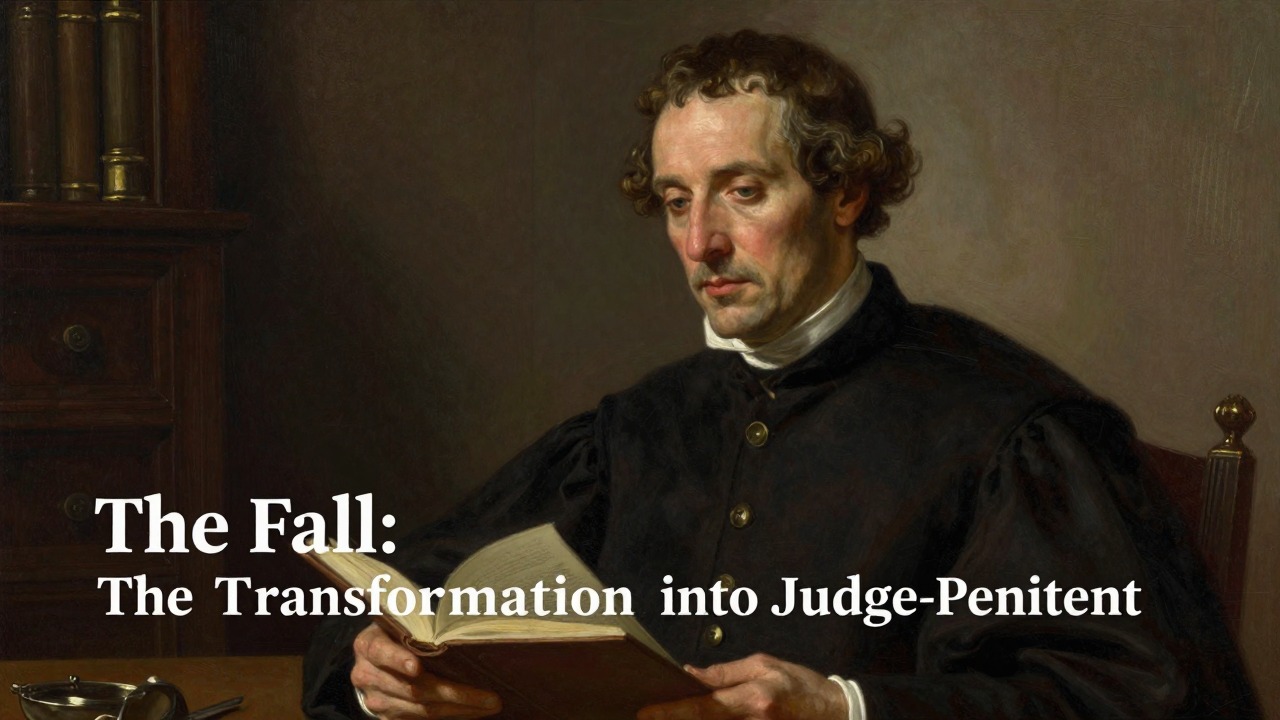
The new form of self-love
Loving himself through confession
Clamence now loves himself by confessing his crimes. He enjoys a double enjoyment: his nature and a charming repentance. He still makes use of others, but now he does it openly.
The eternal self
He has found a height from which he can judge everybody. He is happy, he says, happy unto death. His self-love has found a new expression: the adoration of the multitude of the Last Judgment, where he is the god.
At the height of his success
During his period of despair after the laugh
His period of debauchery
After his crisis, in Amsterdam
